osama

Author: osama

Flow Cytometry Training Program at the Libyan Biotechnology Research Center

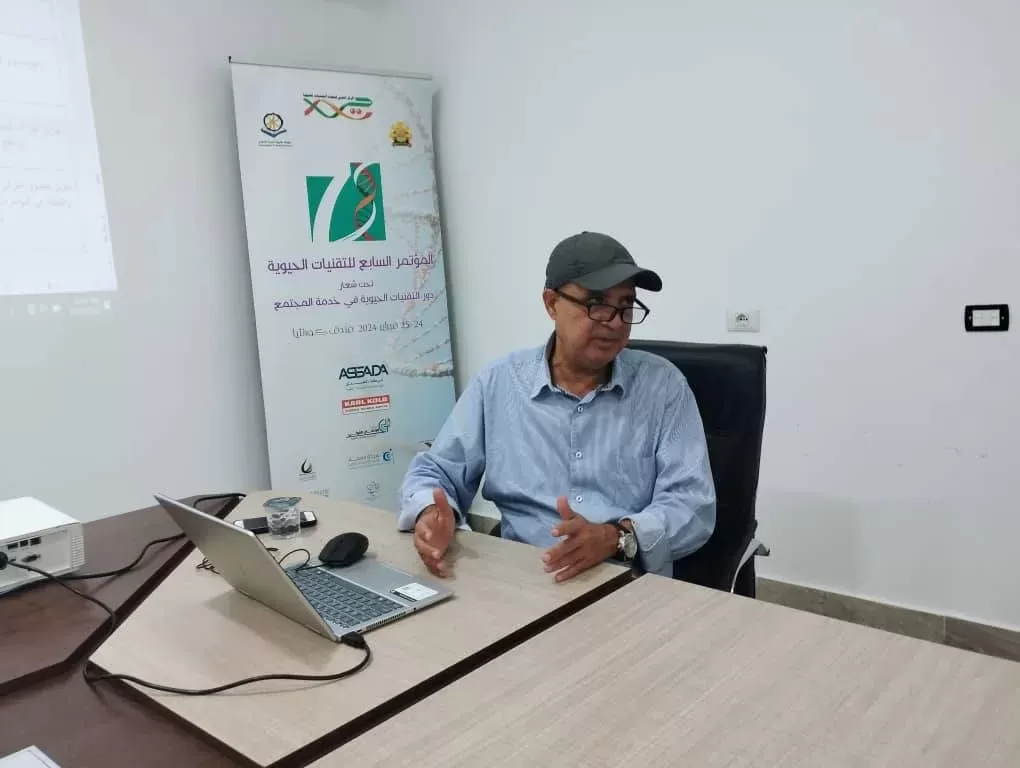
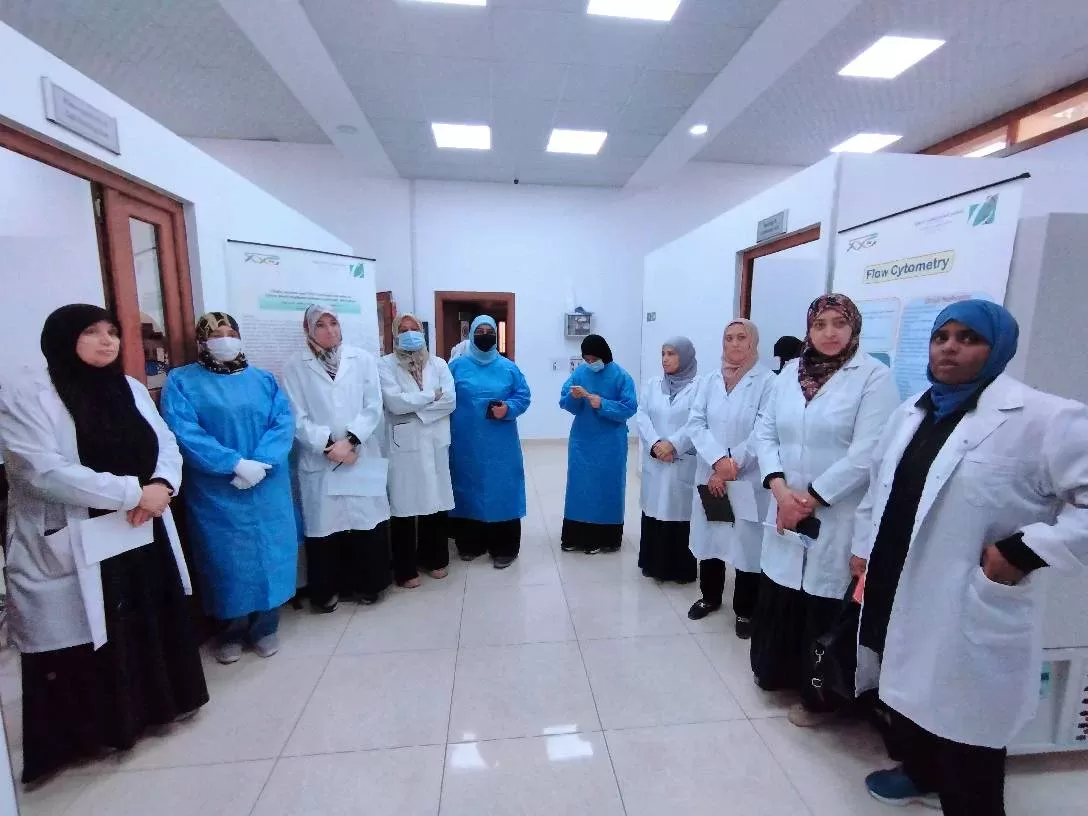
The Libyan Biotechnology Research Center organized a training program on Wednesday, November 26, 2025, focused on cell analysis using Flow Cytometry, under the supervision of Professor Dr. Abdulmonem Emhemmed Abulaila.

The practical session of the day was dedicated to studying Immunophenotyping (CD45 vs. Side Scatter Gating), which enabled participants to accurately distinguish between different lymphocyte populations and analyze the data with precision using fluorochrome-labeled antibodies for protein identification.

This training enhances the participants’ ability to understand immune pattern distribution with high accuracy and supports quantitative data analysis, contributing to the advancement of research activities and applied analytical procedures.
Scientific Lecture: Academic Documentation and Assessment Tools — Advancing Academic Excellence Beyond Accreditation

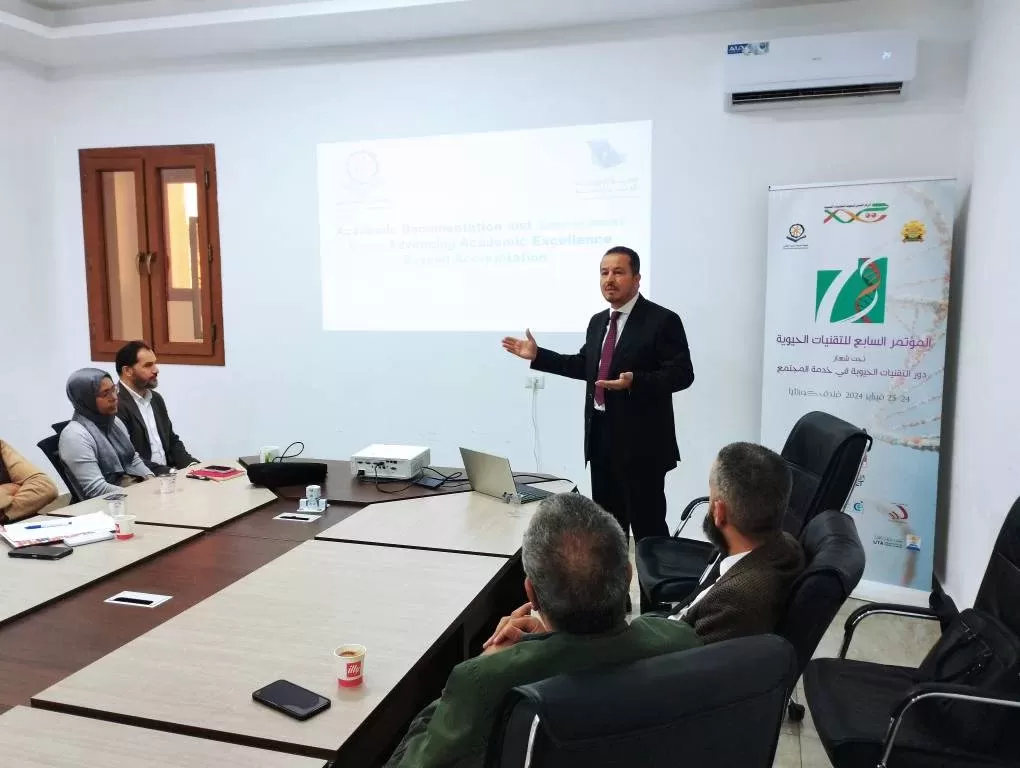
The Libyan Biotechnology Research Center organized today, Monday, 24 November 2025, a scientific lecture titled:
“Academic Documentation and Assessment Tools: Advancing Academic Excellence Beyond Accreditation.”
The lecture was delivered by Dr. Mohamed Ibrahim Al-Zughaid, an expert in academic quality engineering and higher education evaluation.

The presentation offered a clear overview of the importance of developing modern academic documentation tools and their role in improving the quality of research processes while moving beyond traditional accreditation models.

The lecture focused on explaining how data-driven measurement systems can enhance the reliability of scientific outputs and support researchers in building accurate information databases that contribute to scientifically grounded decision-making.

It further highlighted the significance of these tools in advancing the performance of research centers in alignment with best practices adopted by leading scientific institutions worldwide.

Training Program on Flow Cytometry

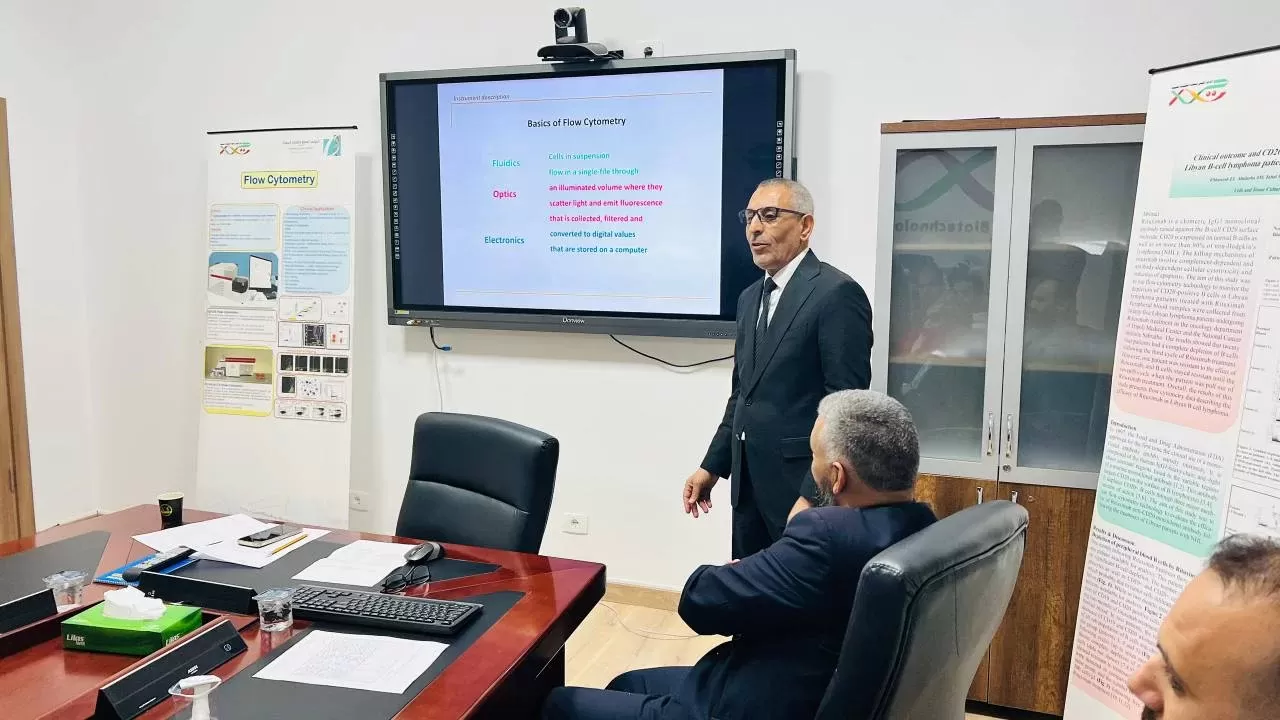
On Sunday, 23 November 2025, the Center organized a specialized training program titled “Training Program on Flow Cytometry”, delivered by Prof. Dr. Abdulmonem Emhemed Abolayha.

The program focused on the fundamental principles of flow cytometry and its role in analyzing cells and characterizing their physical and chemical properties. It also reviewed the technique’s applications in immunodiagnostics and the study of cellular interactions.

The training highlighted how flow cytometry enables the assessment of the effects of new active compounds and the identification of their mechanisms of action within targeted cells, in addition to analyzing biological pathways associated with various diseases—enhancing diagnostic accuracy and supporting the development of targeted therapies.

This program represents an important step toward strengthening research capacities and improving scientific performance in line with international standards.

Workshop on Enhancing the Strategic Plan (2023–2027) and Updating Its Implementation Mechanisms

A specialized workshop was held on Thursday morning, 13 November 2025, to further develop the Strategic Plan (2023–2027) and update its implementation mechanisms.

The workshop was attended by:

  • Prof. Adam Ibrahim Al-Zagheid, Director General of the Center

  • Prof. Awad Al-Barassi, Strategic Planning Expert

  • Directors of departments

  • Heads of the Offices of Quality Assurance, Follow-up, and International Cooperation

  • The Head of the Statistics Department

During the workshop, participants reviewed the progress achieved in the implementation of the current strategic plan. The results indicated that most performance indicators remain appropriate, measurable, and do not require substantial modification.

Accordingly, the discussion focused on updating objectives and initiatives, and enhancing operational mechanisms in order to strengthen the Center’s competitiveness and improve its readiness in the fields of innovation and community service—aligned with the requirements of global research institution rankings.

In his remarks, Dr. Awad Al-Barassi emphasized the importance of adopting results-based planning and linking initiatives to real research and innovation impact. He explained that improving the Center’s global standing relies on three key pillars:

  1. Enhancing the quality of research and scientific publishing

  2. Demonstrating the societal impact of research programs

  3. Strengthening innovation and supporting initiatives that build researchers’ capabilities and expand academic and industrial partnerships

The workshop concluded with the adoption of several practical updates to initiatives and operational work plans, supporting the Center’s vision to be a leading and influential research institution locally and internationally.

Workshop on the Outcomes of Research Projects Funded by the Libyan Authority for Scientific Research in the Field of Engineering Sciences

On Monday, November 3, 2025, a scientific workshop was held under the title:
“Outcomes of Research Projects Funded by the Libyan Authority for Scientific Research in the Field of Engineering Sciences.”

The event was organized under the supervision of the Ministry of Higher Education and Scientific Research and the Libyan Authority for Scientific Research, sponsored by the Libyan Plasma Research Center, and hosted by the Libyan Biotechnology Research Center (LBRC) in Tripoli.

The workshop opened with a welcoming speech by the Director General of the Libyan Authority for Scientific Research, who emphasized the importance of applied scientific research and the need to link its outcomes with national development priorities.

The workshop aimed to evaluate funded research projects and discuss practical ways to apply their results in support of sustainable development and the national economy.

Presentations included studies on the use of Libyan soil in construction industries, smart control technologies, and material corrosion and its impact on infrastructure, in addition to projects in applied biological sciences, such as developing Arabic-based information systems and road safety strategies.

The workshop reflected the applied academic orientation of Libyan research institutions and their commitment to bridging scientific knowledge with real-world applications.

The Libyan Biotechnology Research Centre Participates in the International Conference on Genetic and Metabolic Diseases

The Libyan Biotechnology Research Centre actively participated in the International Conference on Genetic and Metabolic Diseases, organized by the Libyan Society for Genetic and Metabolic Diseases at the Four Points Hotel – Tripoli.

Dr. Enas Al-Hudhiri delivered a lecture and workshop on the latest technologies in diagnosing genetic disorders, while Dr. Afaf Al-Shaibani from the Genetic Engineering Department presented research on genetic mutation analysis and its role in early diagnosis.

This participation highlights the Centre’s commitment to advancing national capabilities and keeping pace with modern molecular technologies, strengthening its role as a leading research institution contributing to the development of genetic diagnosis and therapy in Libya.

The Libyan Biotechnology Research Centre Publishes a Study in Open Veterinary Journal

The Libyan Biotechnology Research Centre has published a research article in the Open Veterinary Journal, Volume 15(10): 5361–5367 (2025), entitled:
“Age-related Serological Response to H9N2 Infection in Southwest Tripoli, Libya.”

The study focused on the age-associated serological response to H9N2 infection in broiler chickens from southwest Tripoli to support vaccination programs. It was conducted in collaboration with the Faculty of Veterinary Medicine, University of Tripoli.

A total of 342 blood samples were collected from six unvaccinated flocks, and antibodies against the H9N2 subtype were detected using ELISA and Hemagglutination Inhibition (HI) tests.

Results showed an increase in seropositivity with age, while antibodies were absent at 10 days of age due to the influence of maternal immunity. This finding highlights the importance of vaccination after this period to enhance immune effectiveness.

The study concluded that H9N2 virus is endemic in Libyan poultry farms, with immune response varying by age. Continued surveillance is essential to guide control programs, reduce infection risks, and provide valuable insights into infection dynamics and vaccine efficacy.

🔗 Read the full article here

Participation in the National Workshop on Bioethics: From Theory to Practice

As part of the national efforts to promote a culture of integrity and responsibility in scientific research, Dr. Fawzi Ibrahim, Deputy Chair of the Bioethics Committee at the Libyan Biotechnology Research Centre, participated in a specialized workshop titled “Bioethics: From Theory to Practice.”

The workshop was held on Wednesday, October 29, 2025, in Benghazi, organized by the National Committee for Biosafety and Bioethics, in collaboration with ethics committees from Libyan universities and research institutions.

This participation reflects the Centre’s commitment to supporting ethical research governance and advancing scientific integrity in accordance with international standards and best practices.

The workshop addressed the challenges of implementing ethical principles in academic and research institutions, emphasizing the importance of balancing scientific freedom with social responsibility, and fostering a culture of transparency, accountability, and integrity within the research community.

The session featured engaging scientific discussions that highlighted the need for collaborative national efforts to strengthen ethical practices, contributing to enhancing the credibility and quality of Libyan research at both regional and international levels.